At the size selector, a shopper often pauses: "I usually wear a medium, but this brand runs small," or "I am between a 10 and 12, so I usually size up." They have viewed the photos, read the description, and skimmed reviews, yet the size choice still feels uncertain. That hesitation can lead to abandonment or a return, even when the shopper eventually chooses a size.
At Thinx3D, we have been testing whether a recommendation based on the shopper's body geometry changes that result. Rather than citing past purchases and saying "you are typically a medium," the model compares chest, shoulder width, and torso length with the garment's construction, then explains the recommended size.
What size charts actually tell shoppers
A size chart places a shopper into a garment-size range. For average proportions and average construction, that range may be close enough. The garment arrives, it fits, and the sizing decision works.
That range becomes less useful with proportion mismatch or garment specificity. A shopper may sit at a range boundary, or have broad shoulders and a narrow waist, or a long torso with shorter-than-average hips. A structured blazer, fitted trouser, or tailored woven shirt can also turn a centimeter into a chest pull, rather than requiring a full size change.
In either case, the standard size signal leaves the shopper guessing. Partial information produces decisions that show up in the brand's return data.
What body-geometry recommendations change
A model of the shopper's body provides more specific information. It might say: "This garment's chest is 40 inches, your chest is 37 inches, so you have 3 inches of ease, suitable for this relaxed fit." For a fitted shirt, it might note that the garment shoulder is 16.5 inches while the shopper measures 17 inches, making a size up better for the shoulders despite room at the chest.
This specificity changes the purchase decision. The shopper can assess actual fit geometry against their own experience instead of accepting a size bucket. Someone whose fitted shirts pull across the shoulders can act on a shoulder-fit explanation. Someone with average chest proportions and a longer torso can use that information, too.
What we saw in the Q4 2025 pilot
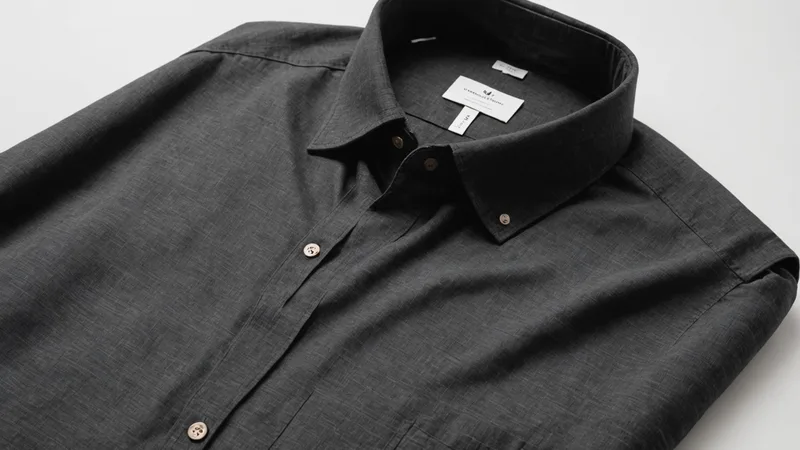
An early-access partner in our Q4 2025 cohort sold fitted woven shirts and structured tops. These garments are difficult to size online because shoulder and sleeve fit depend on geometry that a chest-size range cannot capture. Many shoppers already had personal rules for handling that uncertainty when ordering online.
Shoppers who used a Thinx3D fit recommendation returned purchases less often than shoppers who did not. The gap was greatest for fitted woven garments and smaller for knit layers and casual pieces. That pattern fits the use case: body geometry matters more when construction controls fit.
Across the Q4 2025 cohort, we measured a 41% reduction in size-related returns over 90 days. Fitted categories exceeded that average, while casual and stretch categories fell below it. We do not treat the overall result as universal across garment types.
Why confidence and returns differ
Brands measure return rate, but purchase confidence helps explain the path to it. When a phone-photo body model produces a recommendation that matches the shopper's self-knowledge, confidence rises before checkout. That can increase completed purchases and reduce ordering multiple sizes to test at home.
The first effect appears in conversion data. The second appears in returns, since multi-size orders, buying two sizes and keeping one, contribute materially to returns where fit uncertainty is high.
We did not directly measure multi-size ordering in the Q4 2025 pilot. The order-level data was not detailed enough to identify it reliably, so this remains a measurement gap for the current cohort. Partner conversations suggest recommendation users are less likely to say they need to "try both sizes," but we do not yet have quantified evidence.
Where fit guidance belongs on the PDP
Fit guidance needs to appear when the shopper is choosing a size. Shown after a size has already been selected, it is often overlooked because the decision is mentally complete. Presented beside the size selector, it can participate while the shopper is deciding.
A reason also performs better than an unexplained recommendation. "Size up for shoulder fit" invites more interaction and is associated with fewer post-purchase returns than "We recommend size Large." The explanation lets shoppers compare the guidance with their proportions. They can accept it when it fits their experience or override it with information instead of guessing.
What body geometry cannot replace
A body-geometry recommendation does not replace garment photography or answer how a garment looks on different body types. A shopper may know the garment fits their measurements and still want to see it on a body with similar proportions. Fit guidance answers "will it fit my body?" Photography and model diversity answer "will it look the way I want?" A product page needs both answers.
Fit technology is not a substitute for broader model photography. They address different uncertainties. In our pilot, brands using fit recommendations alongside broader model photography saw better outcomes than brands addressing only one of those needs.
Fit data can also guide photography and product review. If a high percentage of shoppers receive "size up for shoulder fit" for one SKU, the brand could show the shoulder construction more clearly or investigate a grading issue before reordering.
What the pilot window tells us about lift
Return data matures over time. An October purchase returned in November appears in November data. For the Q4 2025 pilot, the 41% result uses a trailing 90-day window for each purchase cohort. August and September cohorts are fully mature in that figure, while October and November purchases have shorter observed return windows.
We will keep testing whether the result holds across a full year, garment categories, and greater body-type diversity. Eight weeks of pilot data is a starting point, not a conclusion. The mechanism is plausible and the signal is consistent across partners, but we are limiting claims to what the data shows. More cohort data and better segmentation by garment category and body proportion type come next.